
Rohingya Muslim refugee return to Myanmar delayed
Jan 22, 2018
The repatriation of more than 650,000 Rohingya Muslim refugees back to Myanmar from Bangladesh has been delayed amid widespread fears that refugees would be forced to return, a Bangladesh official says
DHAKA, Bangladesh — The gradual repatriation of more than 680,000 Rohingya Muslim refugees back to Myanmar from Bangladesh, scheduled to begin Tuesday, has been delayed amid widespread fears that refugees would be forced to return, a Bangladesh official said Monday.
The refugees began pouring across the border into Bangladesh in August, fleeing waves of attacks by Myanmar security forces and Buddhist mobs.
While the two countries have signed an agreement to begin sending people home in "safety, security and dignity," the process has been chaotic and opaque, leaving international aid workers and many Rohingya afraid they would be coerced into going back to villages that they fled only months ago.
Abul Kalam, Bangladesh's refugee and repatriation commissioner, said a number of issues remain unresolved.
"The main thing is that the process has to be voluntary," said Kalam, adding that paperwork for returning refugees had not yet been finalized and transit camps had yet to be built in Bangladesh. It was not immediately clear when the process would start.
Myanmar officials could not be reached for comment.
"If they send us back forcefully we will not go," Sayed Noor, who fled his village in Myanmar in August, said over the weekend, adding that Myanmar authorities "have to give us our rights and give us justice."
"They will have to return all our wealth that they have looted and hold people accountable. They will have to compensate us. We came here because we are fighting for those things," he said. "If we don't get all of this, then what was the point of coming here?"
Eventually, all the Rohingya who have fled Myanmar since August were to leave Bangladesh, according to the agreement signed late last year. Over the weekend, the U.N.'s migration agency increased the total estimate of those refugees to 688,000.
David Mathieson, a longtime human rights researcher who has spent years working on Rohingya issues, heaped scorn on the agreement ahead of the latest announcement.
"It's a fantasyland, make-believe world that both governments are in," he said in an interview in Yangon, Myanmar's main city, noting that security forces there had just forced hundreds of thousands of Rohingya across the border. "Now you're expecting them to come back, as if they're in a conga line of joy after what you did to them?"
The Rohingya Muslims have long been treated as outsiders in largely Buddhist Myanmar, derided as "Bengalis" who entered illegally from Bangladesh, even though generations of Rohingya have lived in Myanmar. Nearly all have been denied citizenship since 1982, effectively rendering them stateless. They are denied freedom of movement and other basic rights.
Many of the people who fled earlier violence and moved into displacement camps inside Myanmar have been unable to leave those settlements for years.
Most Rohingya lived in poverty in Myanmar's Rakhine state, near the Bangladesh border. Marked by their religion and their language — most Rohingya speak a dialect of Bengali, while most of their neighbors speak Rakhine — they are easy to target.
The recent surge of violence erupted after an underground insurgent group, the Arakan Rohingya Salvation Army, attacked at least 30 security outposts in Myanmar in late August. The military and Buddhist mobs then launched retaliatory attacks on Rohingya across Rakhine in a frenzy of killings, rapes and burned villages. The U.N. has described the violence as "textbook ethnic cleansing."
The attacks, which Doctors Without Borders believes have left at least 6,700 Rohingya dead, sowed terror across Rohingya communities. Most refugees came in the first month or so after the violence began, but some continue to trickle into Bangladesh, complaining of ill-treatment by authorities.
In early January, following up on their November agreement, Bangladesh and Myanmar signed a deal to begin sending back the refugees starting Tuesday. Officials have said they expect some 1,500 refugees to go back each week, though only refugees with identity documents — which most Rohingya lack — will be allowed into Myanmar.
Bangladesh and Myanmar are both eager to have the repatriations begin. Bangladesh has grown weary of hosting Rohingya who've spilled across the border for decades. More than a million Rohingya are now believed to live in Bangladesh. Myanmar, meanwhile, wants the repatriations to lessen the international condemnation it has faced for the violence.
In Myanmar, officials have started building sprawling camps for returning refugees. Forty buildings have been finished already in the Hla Po Kaung transit camp, enough for more than 3,000 refugees, state media have reported. Eventually, the camp will have 625 buildings, enough for 30,000 refugees. In theory the returnees will stay only temporarily in the camp before going home, though many Rohingya villages were burned to the ground during the violence.
In Bangladesh, there have been almost no signs of preparations. A Bangladesh official who oversees the area where most of the camps are located said last week that "we have not finalized anything yet."
Aid workers say some refugees may want to return — perhaps the 500 or so Bengali-speaking Hindus who also fled the Rakhine state violence, and the handful of Rohingya who have managed to acquire citizenship documents.
But how many more?
Not many, experts say.
"I think that the (Myanmar) government knows very well that only a few people will go back," said Chris Lewa, the director of the human rights research group the Arakan Project. But officials want the good publicity that could come with repatriations, she said.
"When the majority of Rohingya refuse to come back, the Myanmar government will say 'See, we have done what we can for them to return, but they refuse to come back and prefer to stay in Bangladesh, which was their own country,'" she said.
Inside Rakhine, there are few signs that people want their former Rohingya neighbors to return.
"International pressure, because of human rights and humanitarianism, means we have to accept them back, even though we don't want to," Than Tun, a Buddhist leader in Sittwe, the Rakhine state capital, said in a telephone interview.
He dismissed the idea that the Rohingya had fled their homes. "We think that these Bengalis have gone back to their original land — Bangladesh."
___
AP journalists Rishabh Jain in Cox's Bazar, Bangladesh, and Tim Sullivan in New Delhi contributed to this report.
MORE NEWS
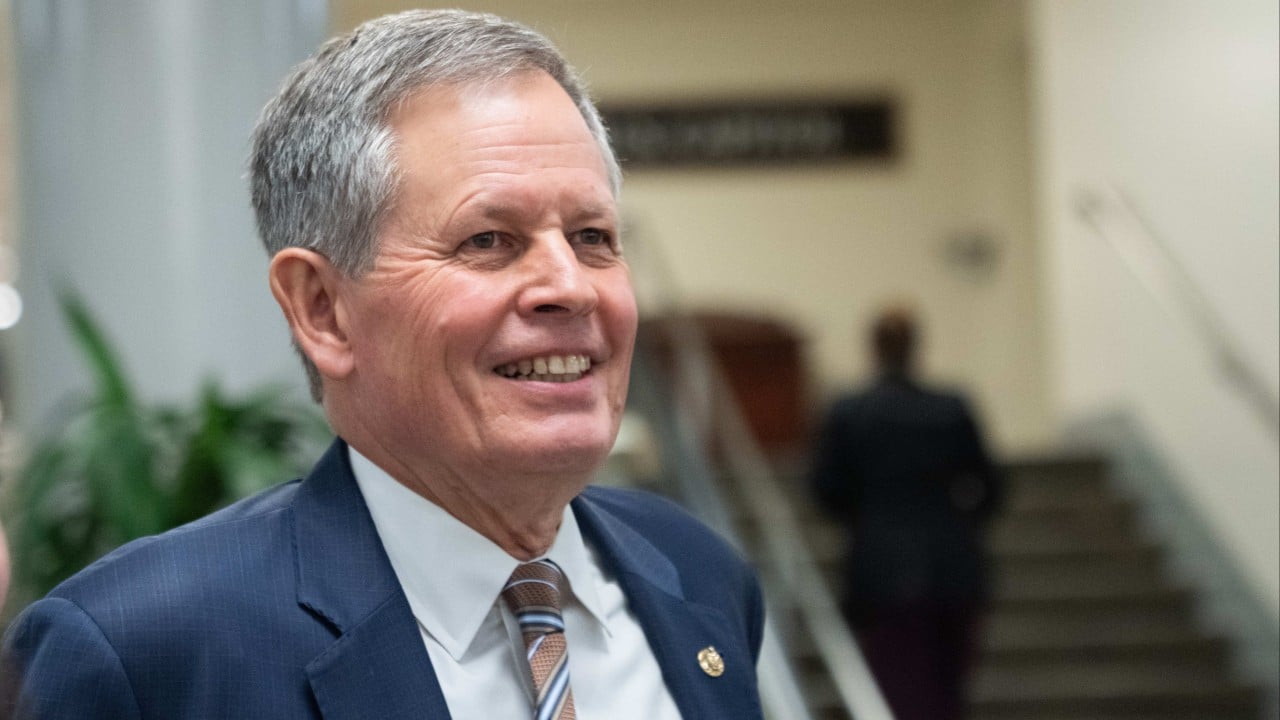
‘No retreat’: Key Trump ally urges continued US-China engagement on rare earths
US Republican Senator Steve Daines, a close aide to President Donald Trump and a key interlocutor between Washington and Beijing, has called on the two capitals to stay engaged and “not retreat” over differences on issues including rare earth supply chains. Daines told the South China Morning Post that both sides still had issues that predated Chinese President Xi Jinping’s state visit to Washington last week and that they would continue working on them after the summit. “So that’s again why...
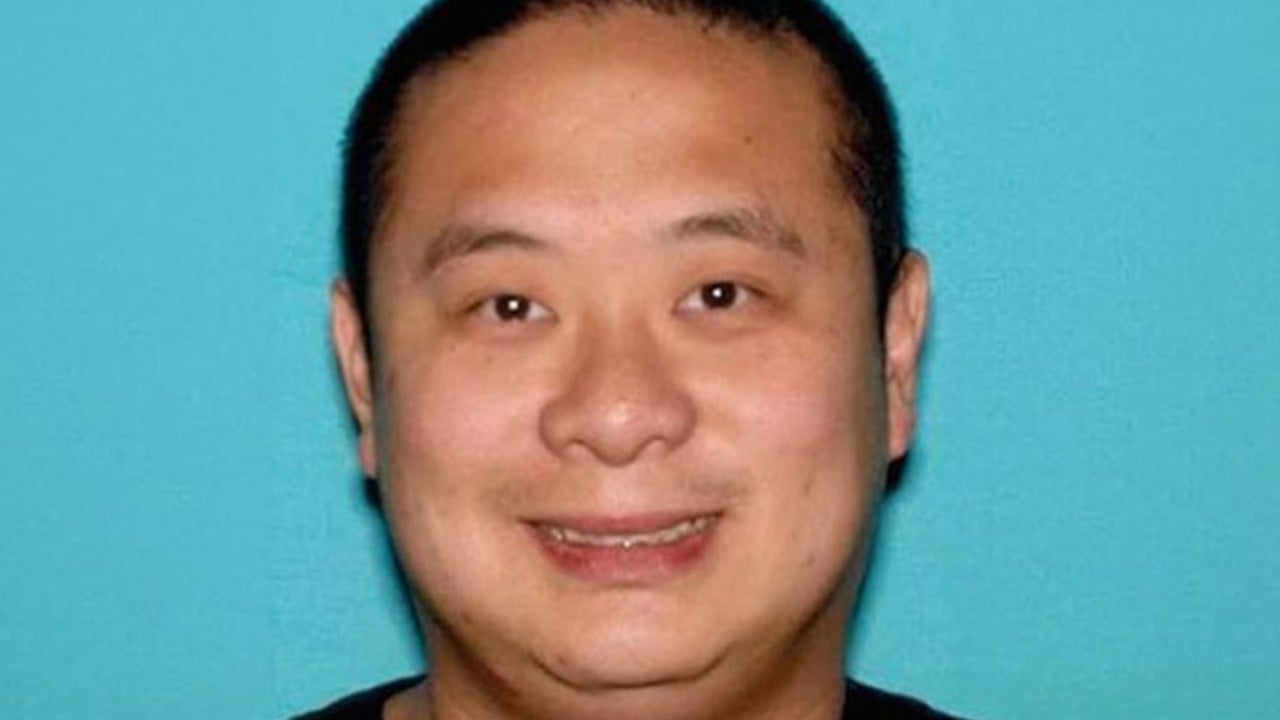
US man arrested over alleged $300 million scheme to smuggle Nvidia AI servers to China
Amid intensifying competition in the AI technology race, US authorities have arrested a California technology company owner accused of using Malaysia and Singapore as transit points to circumvent US export controls and send more than US$300 million worth of restricted computer servers to China. Greg Lui, 38, also known as Yiu Kong Lui, of San Gabriel, was arrested on Thursday and charged with conspiracy to violate US export controls, outbound smuggling and conspiracy to commit money laundering,...
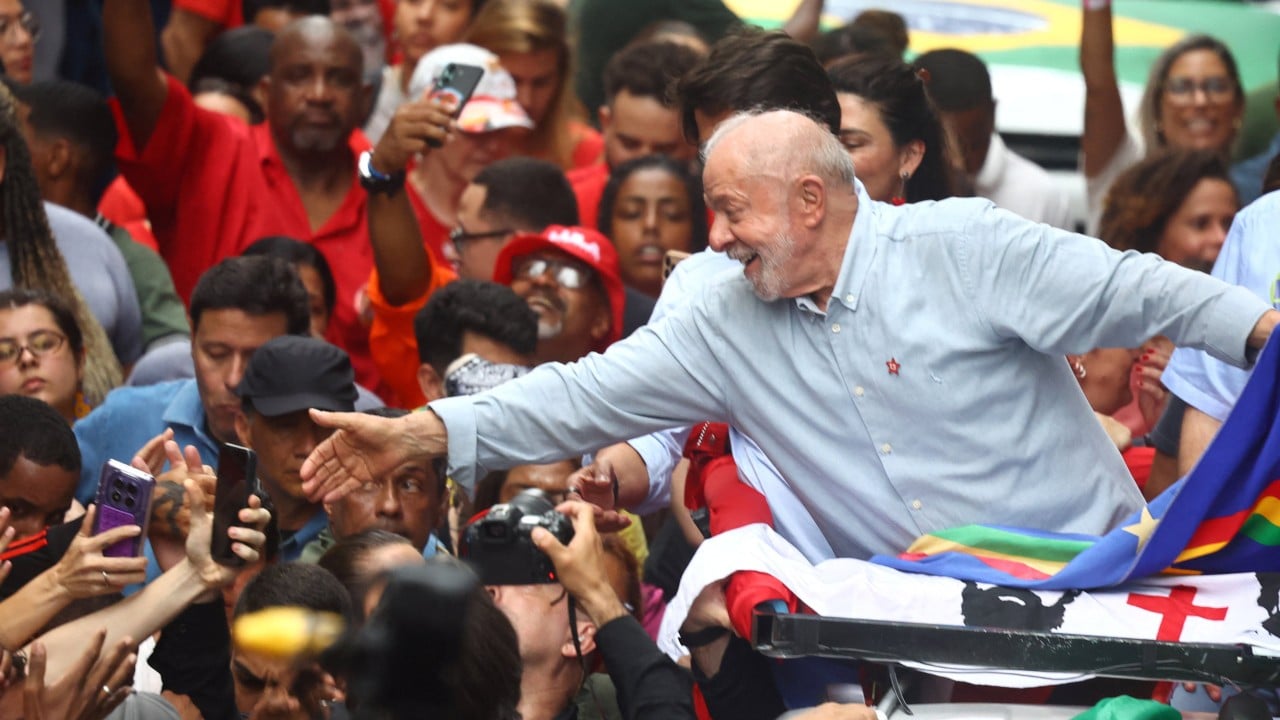
Brazil’s Lula hails ‘bold’ Chinese investors as rival pitches rare earths to Trump
Brazilian President Luiz Inacio Lula da Silva named China as a possible partner in his critical minerals plans, three days before Sunday’s closely fought election. Lula told Flow, one of the country’s most-watched podcasts, on Thursday evening that Brazil should stop shipping out raw ore. “We want to transform them here in Brazil,” he said of the minerals. Asked whether China fit into his plans, Lula said it could be a partner “bringing technology to us”, as could the United States. “[Donald]...

Quote of the day by Sean Connery: 'The key to a woman's heart is an unexpected gift at an unexpected time.' Life lessons from inspirational quote on romance and attentiveness
Quote of the day by Sean Connery from Finding Forrester speaks about the importance of an unexpected gift. It is needed to show a person that you care about them. Romance and spontaneity are highly important in relationships.
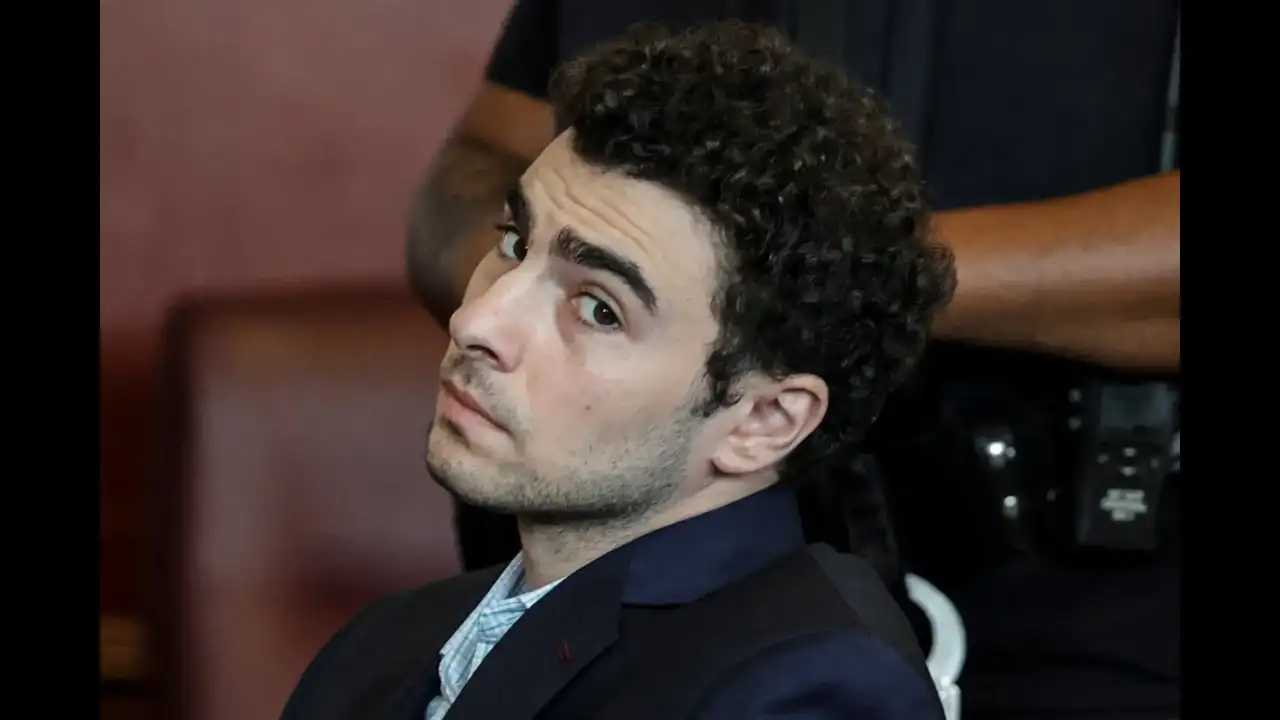
Luigi Mangione arrest video: ‘That’s 100% him’ - newly released footage shows how police identified him at McDonald’s and what happened during his arrest
Luigi Mangione arrest video: Newly released body-camera footage shows the moments police identified Luigi Mangione at a McDonald’s in Pennsylvania and took him into custody. The video captures officers questioning his identity, including the name on his ID, before showing what happened during his arrest and the search that followed at the station.
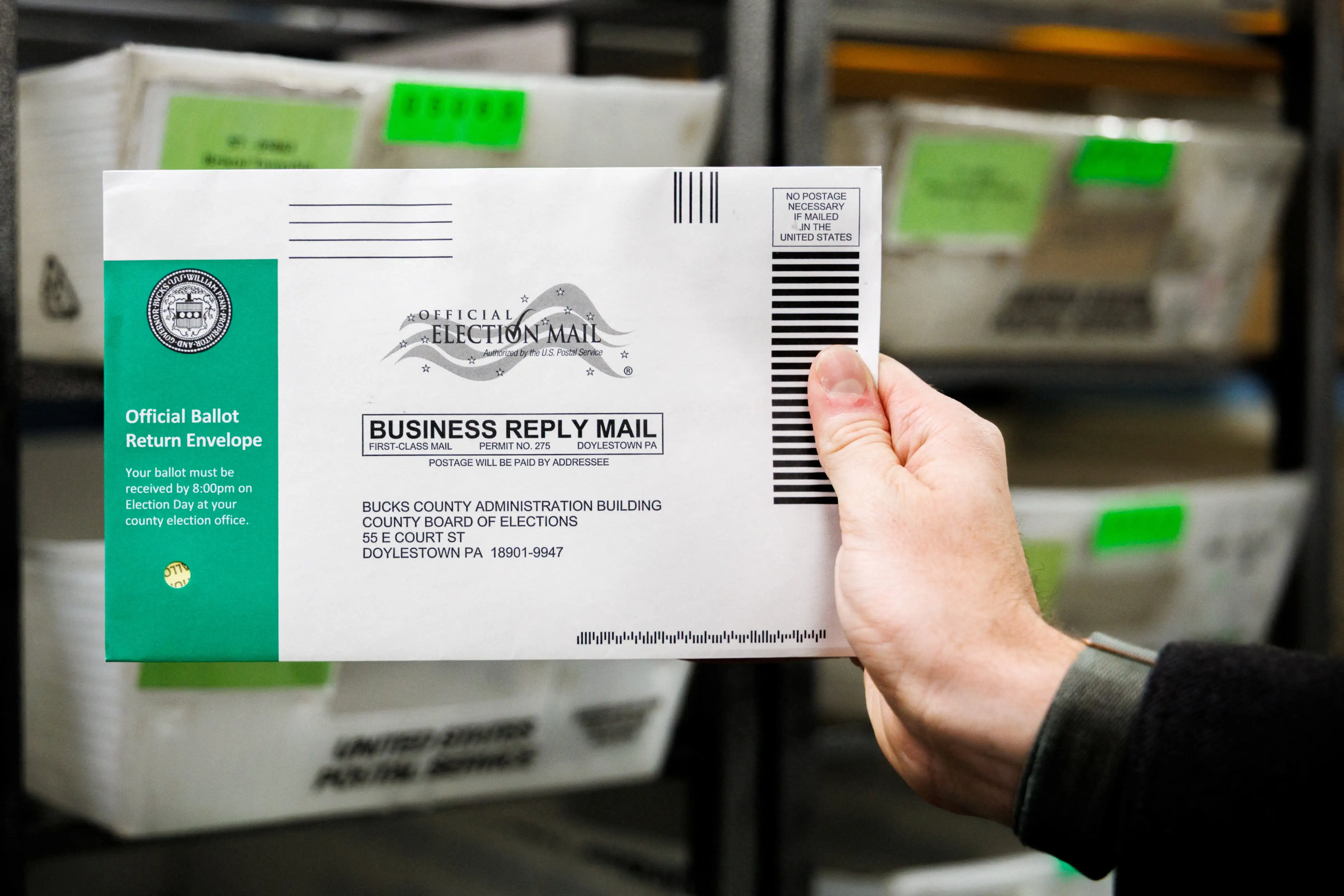
How to make sure your mailed ballot counts in US midterm elections: Mail it early because the postmark date may not match the day you dropped it in the mailbox
As the 2026 US midterm elections approach, it's crucial for voters to mail their ballots ahead of time to avert potential complications. Remember, ballots must be postmarked by Election Day to be counted. In California, ballots can be accepted up to seven days late if they are postmarked correctly. Voters are encouraged to track their ballots to confirm acceptance.
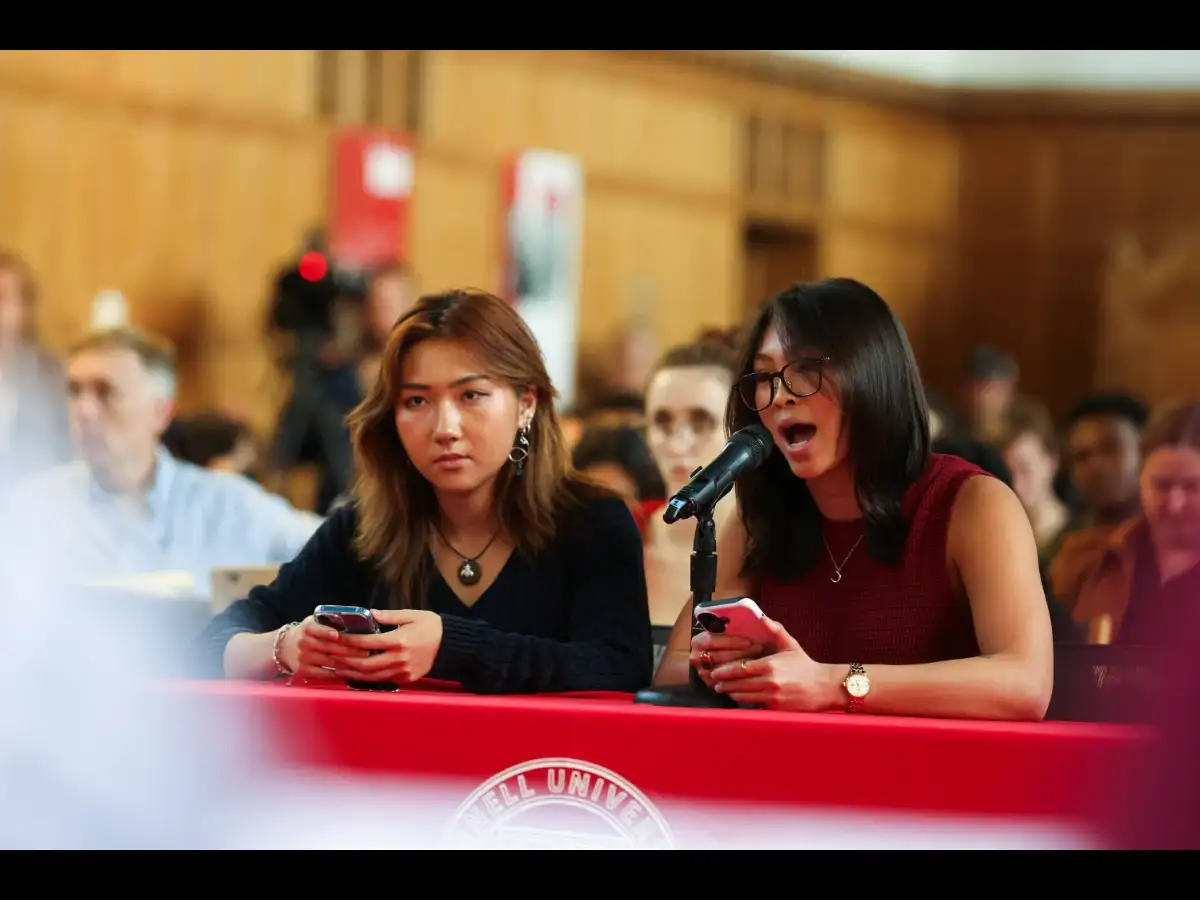
Will Cornell University face action over Jane Doe gang rape case revelations?
The Cornell University is under renewed scrutiny after a former student filed a civil lawsuit alleging a 2024 gang rape at a Chi Phi fraternity house. Cornell says it investigated the allegations and disciplined students. Prosecutors have reopened the criminal investigation, while New York state has appointed a special prosecutor. Students are also demanding a further accountability and changes on campus.

Nike stock chart forms a 'Jumpman' after shares plunge - why is NKE down and the story behind Michael Jordan’s iconic logo
Nike’s stock chart has sparked a joke after commentator Trung Phan said its recent decline created a “Jumpman formation.” The comparison comes as Nike struggles with falling revenue, weakness in China and pressure on Jordan Brand. Here’s what’s behind the stock slide and the Jumpman logo’s history.
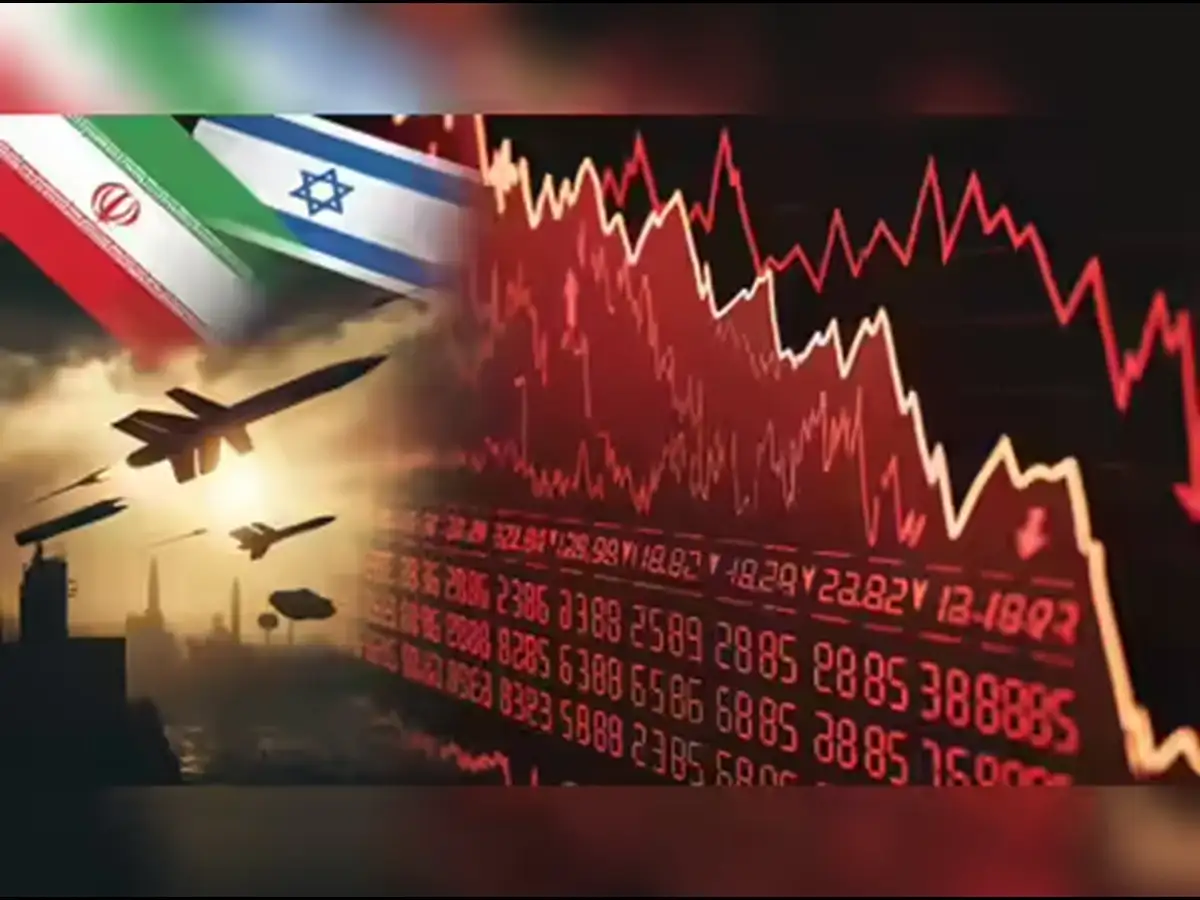
In Graphics: How the cost of Iran war piled up
As crude oil prices rose, India paid more for this critical import even though it got less of it, data shows. Trade with major partners in the region remains affected, households and companies are staring at high inflation, and the govt is footing an elevated subsidy bill.

Michael Douglas and Kathleen Turner romance: Basic Instinct actor admits secret relationship; here's who he was married to at the time
Michael Douglas has confirmed that he and Kathleen Turner had a secret romantic relationship while filming Romancing the Stone. The affair began in 1984 when Douglas was separated from his wife but still married. Both actors denied their romance publicly for over four decades to protect his family. Their relationship ended when Diandra, his wife, interfered after visiting the filming location in Mexico.

Fuel subsidies may top $1 trillion: UN
The UNDP analysis - which looked at data from the World Bank, the International Monetary Fund and the International Energy Agency - found the number of countries deploying different relief measures nearly doubled between April and September as the war's impact continued.