
A fire in China's Jiangxi province kills at least 39 people, state media says
Jan 24, 2024
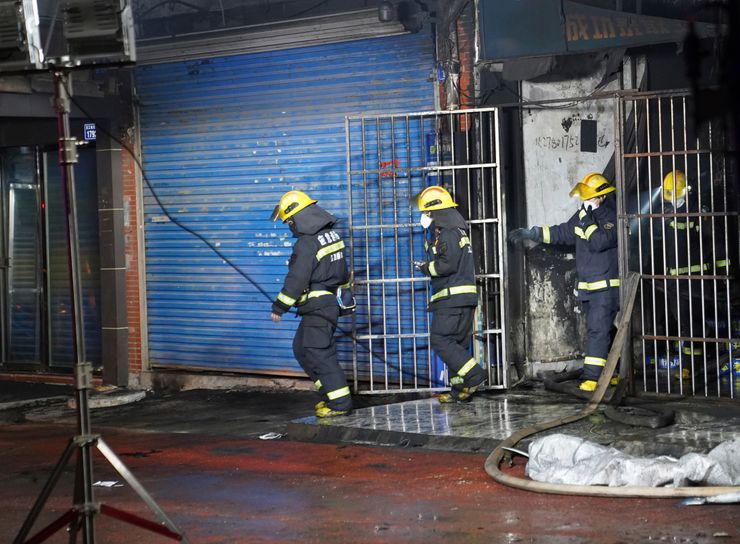
Chinese state media say at least 39 people died and nine others were injured when a fire broke out at a commercial building in southeastern Jiangxi province
BEIJING (AP) — A fire broke out in a commercial building in China’s southeastern Jiangxi province on Wednesday, killing at least 39 people and injuring nine others, state media said.
Officials for the Yushui district of Jiangxi province said that the fire broke out in the basement of a shopping area in the afternoon. In addition to rescue workers, firefighters and police, local government officials were deployed to the scene.
A preliminary investigation found that fire was caused by unauthorized welding during construction work in the basement, local official officials said.
State broadcaster CCTV later reported that rescue operations were complete and that no people remained trapped in the building, which it said housed an internet cafe in the basement and tutoring centers on upper floors.
Chinese President Xi Jinping issued a statement about the blaze, noting that it was yet another safety tragedy. He called on the government and Communist Party to “resolutely curb the frequent occurrence of various safety accidents, and ensure the safety of people’s lives and property and overall social stability.”
The statement included orders for the State Council's Work Safety Committee to close any gaps in safety measures.
The local government said that the cause of the fire was under investigation.
Over the weekend,
a fire in central Henan province
broke out in a boarding school dormitory and killed 13 children.MORE NEWS

'Personal' Setback Behind Neeraj Yadav's Suicide? Police Reveals Startling Details
A reported fallout with a woman friend has emerged as a key angle in the investigation into Neeraj Yadav's death.

Three-Time Grand Slam Winner Ends Tennis Career With 1st-Round Defeat In Basel
Stan Wawrinka ended his 24-year professional tennis career following a first-round defeat at the Basel Open.
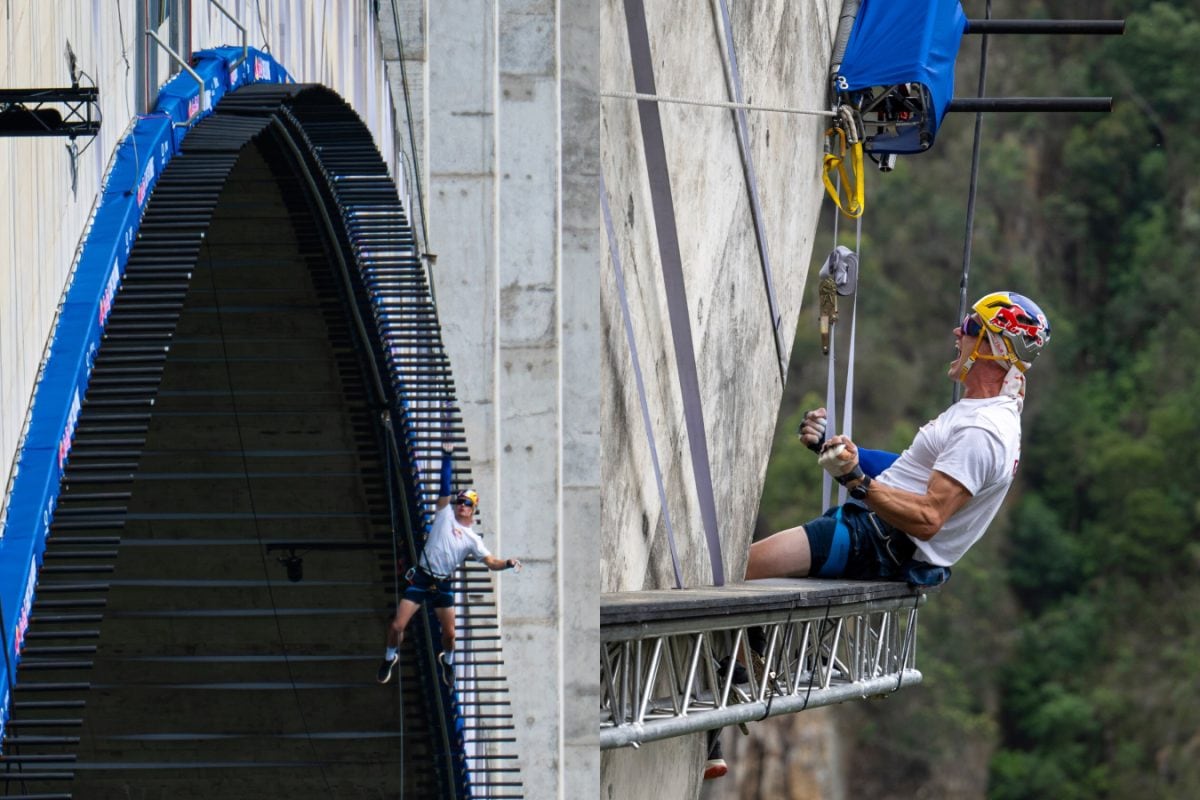
Thomas van Tonder Completes World-First Crossing Beneath Bloukrans Bridge
Thomas van Tonder completed a world-first crossing beneath Bloukrans Bridge, traversing 600 suspended monkey bars over 280 metres in 47 minutes and 37 sec.

Neeraj Yadav, Three-Time Asian Para Games Gold Medallist, Dies By Suicide
Para-athlete Neeraj Yadav has reportedly died by suicide after consuming poison.
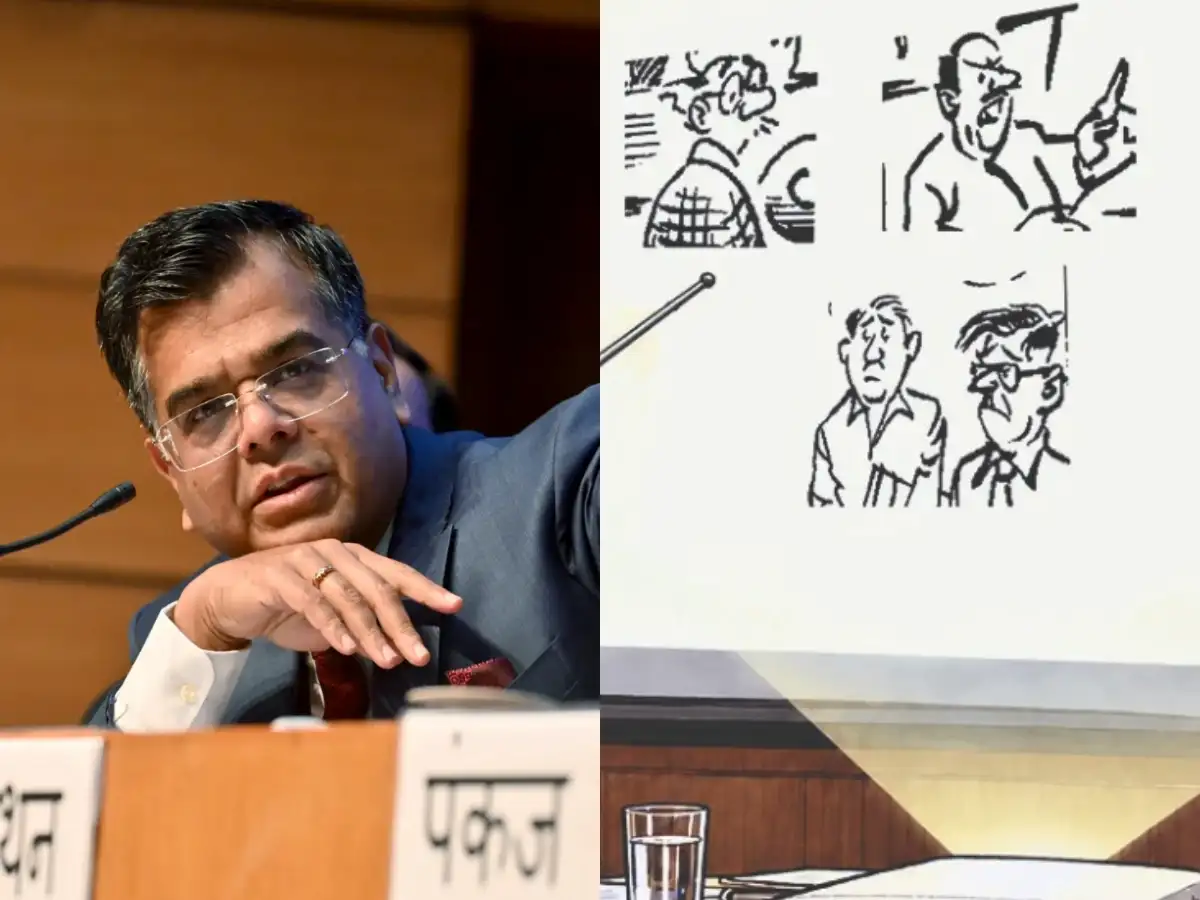
Babus who call late meetings, delay files face scrutiny as cabinet secretary lists 12 types of secretaries
Cabinet Secretary T V Somanathan highlighted issues with bureaucratic efficiency at a recent performance review meeting. He presented a list of problematic behaviors affecting government productivity using cartoons. Somanathan emphasized the necessity of timely decision-making and better communication between ministries. Another topic addressed was the improper usage of ration cards by railway employees.

Delhi starts online liquor booking app: How to order favourite brands without waiting in queues, check process, outlet availability, and key rules
Delhi's latest initiative introduces an online liquor booking app, letting users select their favorite brands and make payments seamlessly. To streamline the process, residents have 48 hours to pick up their orders from one of the 208 designated shops. While home delivery isn’t an option, the app aims to eliminate long queues and enhance transparency.


1st batch of Agniveers retiring soon: What's the retirement money, career options and benefits they will get
By 2026, approximately 18,300 Agniveers will finish their service in the armed forces, marking a pivotal transition. To ease their shift into civilian life, numerous states have initiated job quotas specifically for ex-Agniveers across different uniformed services and police departments. These initiatives stem from the Agnipath scheme launched in June 2022, which focuses on enlisting younger individuals in military roles.

GST clarification on foreign investor brokerage offers sentiment boost, analysts say
The Indian government has clarified that brokerage paid by overseas clients may qualify as an export service. This could help foreign investors avoid the 18% goods and services tax on brokerage fees. Analysts suggest this clarification is sentimentally positive amid significant foreign outflows from Indian stocks. There is ongoing speculation regarding potential cuts in capital gains tax ahead of the federal budget.

'Copying China's manufacturing model may not pay off': Ashwini Vaishnaw hits back with ‘Cope harder’ remark, cites Rs 3 lakh crore PLI returns
Union Minister Ashwini Vaishnaw has hit back at criticism of India's mobile phone manufacturing strategy with a blunt “Cope harder” remark. Citing figures from the government's Production Linked Incentive (PLI) scheme, he said the government paid Rs 19,000 crore in incentives and collected Rs 25,000 crore in direct taxes, alongside Rs 3 lakh crore in GST. His response followed a Bloomberg Opinion video questioning India's iPhone manufacturing model, its dependence on imported components and the cost of government subsidies.